In a world that often demands us to “just talk about it,” many people struggle to find the right words to express what they’re feeling. Whether it’s anxiety, trauma, grief, or simply emotional overwhelm, verbal communication isn’t always easy or even possible. That’s where art therapy steps in.
Art therapy is a powerful, evidence-based counselling approach that allows individuals to explore and release emotions through art and creative expression. It’s not about being “good at art”, it’s about giving shape to expressing emotions without judgement, pressure, or the need for words. Making art therapy a powerful form of therapy for those that struggle to properly articulate their thoughts feelings, and emotions.
As a PACFA (Psychotherapy and Counselling Federation of Australia) Certified Clinical Counsellor, I’ve seen how transformative art therapy can be for clients of all ages, especially those with complex needs or communication barriers. Art therapy is a gentle, inclusive, and deeply personal way to support emotional wellbeing.
How Does Art Therapy Work to Support Emotional Release and Regulation
Art therapy taps into the brain’s natural ability to process emotion through sensory and visual channels. Just like movement releases endorphins, creative expression can help regulate mood, reduce stress, and promote emotional clarity.
Here’s how art therapy works to support mental health and wellbeing:
- Encourages emotional release without needing verbal explanation
- Helps regulate the nervous system through sensory engagement
- Builds self-awareness and insight into emotional patterns
- Offers a safe outlet for anger, sadness, fear, or confusion
- Supports trauma recovery by externalising internal experiences
- Enhances emotional resilience and coping strategies
The act of creating through art therapy; whether it’s painting, drawing, sculpting, or collage, activates the parasympathetic nervous system, helping clients feel calmer, more grounded, and more in control.
Who Benefits from Art Therapy?
Art therapy is suitable for anyone, but it’s especially helpful for:
- Children and teens who struggle with verbal expression
- Adults navigating trauma, grief, or emotional overwhelm
- Neurodivergent individuals or those with communication barriers
- Clients in Supported Independent Living (SIL) environments
- Families seeking gentle, non-invasive therapeutic support
Art therapy is also a valuable tool within the NDIS framework, offering person-centred, strengths-based support that aligns with individual goals and needs.
Do You Need to be Good at Art for Art Therapy?
One of the most common misconceptions about art therapy is that it’s only for the “creative” types. In reality, art therapy doesn’t require you to:
- Know how to draw
- Produce anything "beautiful"
- Explain your artwork in detail
Art therapy is about the process, not the product. Some of the most meaningful therapy sessions involve messy, raw, expressive pieces that reflect the truth of what someone is feeling. That’s where healing begins.
What Does an Art Therapy Session Look Like?
Art therapy sessions are tailored to each client’s needs and may include:
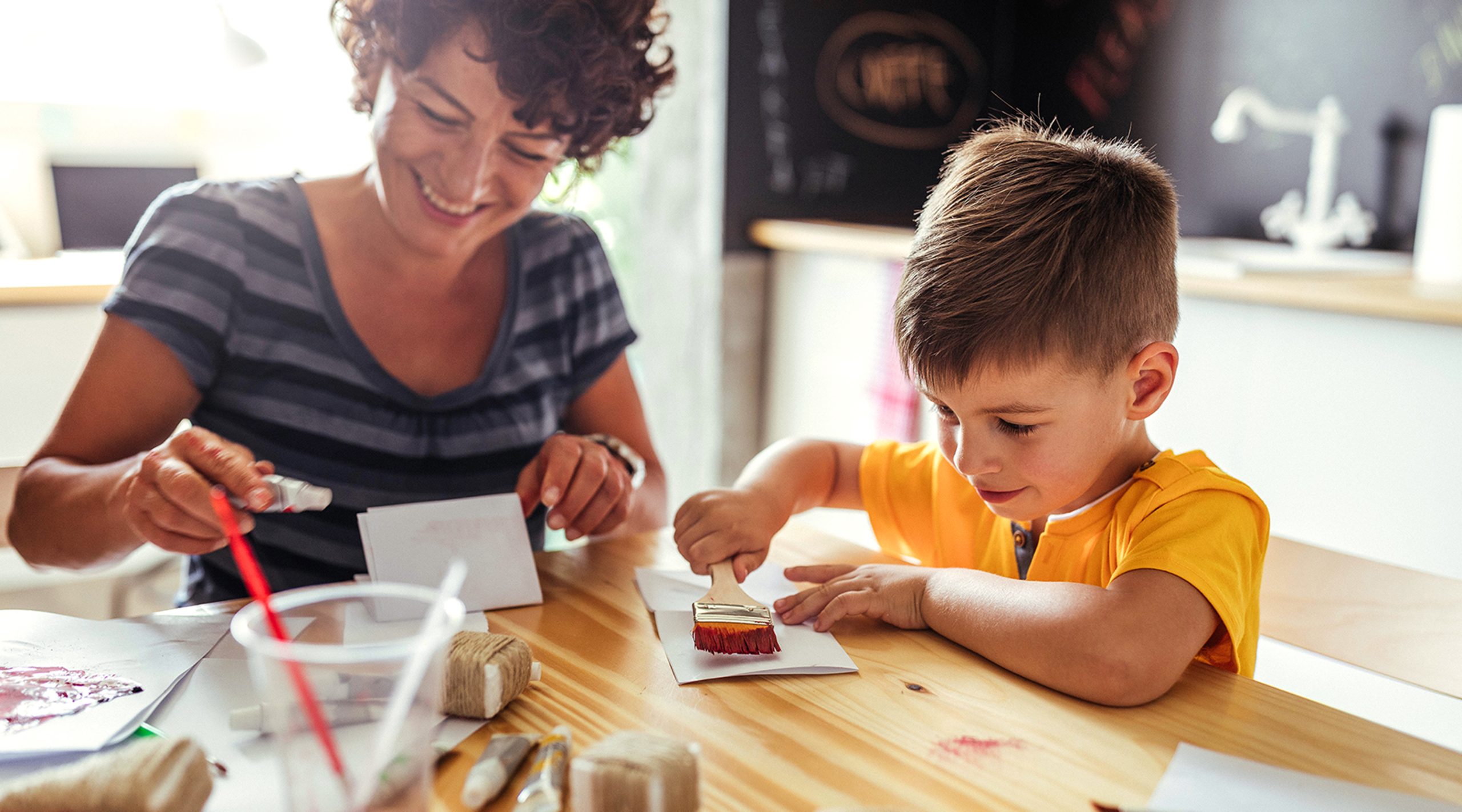
- Access to a range of materials such as paints, pencils, clay, collage items
- Guided creative activities with therapeutic intent
- Reflection and discussion (if appropriate) about the artwork
- Exploration of emotional themes, patters, and insights
- Integrations with broader counselling goals and strategies
Clients are never judged, only supported. The space is safe, inclusive, and designed to empower.
How Art Therapy Supports Life Balance and Emotional Resilience
Art therapy can also help clients develop healthier routines and boundaries. By creating space for emotional expression, clients often report:
- Improved sleep and relaxation
- Better emotional regulation during stressful moments
- Increased self-confidence and sense of agency
- Greater clarity in decision-making and relationships
It’s not just about healing, it’s about thriving.
Putting It All Together: A Creative Path to Mental Wellness
Improving mental health doesn’t always start with words. Sometimes, it starts with colour, texture, and movement. Art therapy offers a unique pathway to healing, one that honours each person’s story, pace, and preferences.
Whether you’re a parent seeking support for your child, a support coordinator looking for therapeutic options, or an individual ready to explore your emotions in a new way, art therapy could be the key.
If you’re ready to take that step, I’m here to help. I offer personalised counselling sessions that integrate art therapy for clients across Queensland, including those supported under the NDIS. Referrals are welcome from families, support workers, and allied health professionals.
Let’s create a space where healing begins, not with words, but with expression.
Reach out today to learn more or book a session because your story matters. And sometimes, the best way to tell it… is through art.
Santina
PACFA reg. Clinical Counsellor